专业音频领域的女性:Úna Monaghan Women in Pro Audio: Úna Monaghan...
在我们“专业音频领域女性”系列的最新一期中,我们很高兴向您介绍Úna Monaghan。一位多才多艺的杰出人才,身兼音乐家、作曲家、现场音响工程师以及贝尔法斯特女王大学声音与音乐讲师。
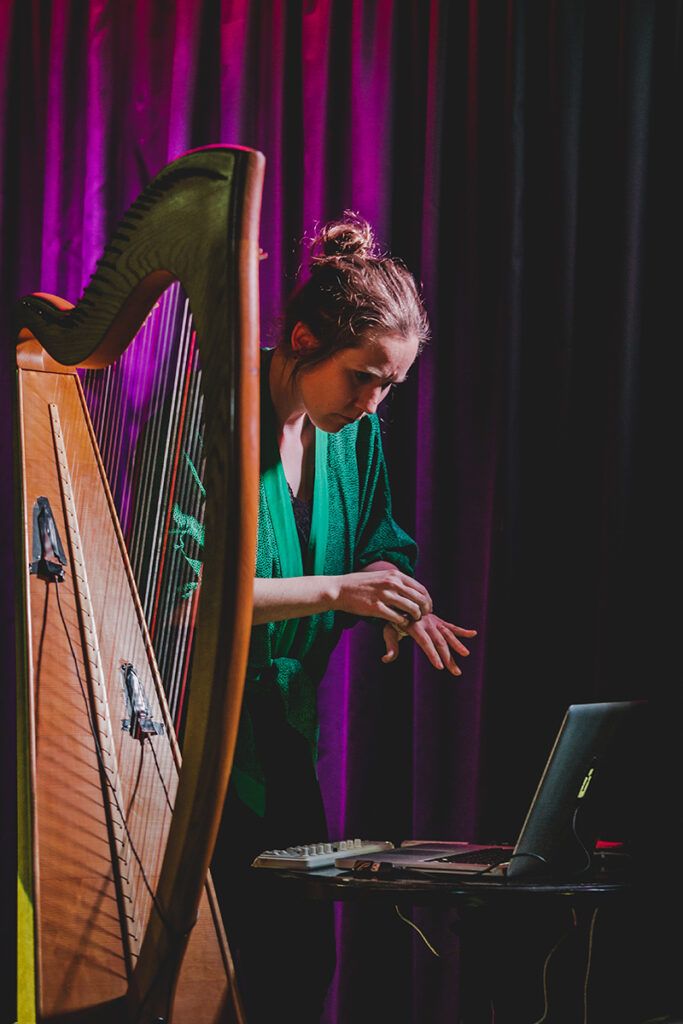
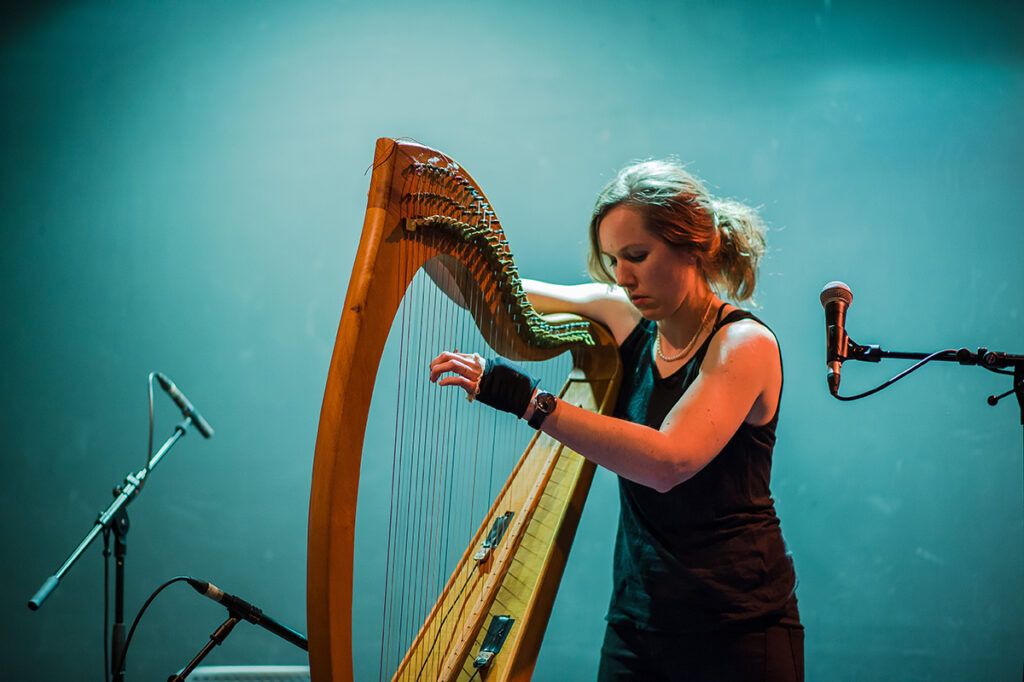
Úna,原籍贝尔法斯特,于2019年搬回家乡,并谈论她作为音乐家的工作。“我以竖琴与电子设备进行独奏表演,与我的三重奏组合Of Aran合作,并与新音乐六重奏Stone Drawn Circles合作。我的作曲作品涵盖从固定媒体到独奏、室内乐及管弦乐作品的广泛范围,常融合电子元素。我还与他人合作,并为舞蹈创作音乐。”
作为一名工程师,她专攻原声音乐、实验音乐和多声道音乐。“我担任在这些流派内及跨流派工作的艺术家的巡演工程师。在女王大学,我目前教授表演、现场制作系统和爱尔兰传统音乐。”
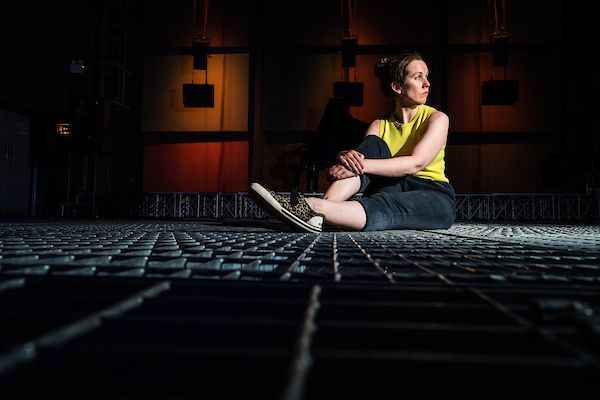
对声音的热情
Úna对声音的热爱始于幼年时期通过演奏乐器。她回忆起自己“对技术能对一个单一声音做什么感到着迷。它如何捕捉声音,将其扩展以填满巨大空间,以及音响设备如何被用来转变那个声音。”这种兴趣不断增长,引领她去探索技术创造新声音和音乐的潜力,这些声音和音乐超越了原声乐器的能力。
“我并没有坚决地决定将现场工程师作为唯一职业。部分原因是我对声音和音乐领域如此多不同类型的工作都感兴趣,但也因为这总让人觉得不稳定,尤其对女性而言,”她说。“我在每一个时刻都追随我的兴趣,努力忠于自我,并走向吸引我的事物。抓住下一个可用的机会,无论多么令人生畏!我特别被现场音响而非录音棚录音所吸引。我享受与人们的实时连接,以及那个事实:存在一个截止时间,过了那个时间你就不能再调整任何东西!”
通往专业音频之路
Úna通过观察工程师并提供帮助来开始进入这个行业,比如盘绕线缆、设置设备和线路检查。她相信,她作为音乐家和作曲家的技能,结合她的技术专长,帮助她获得了艺术家的认可。“与他们沟通声音、音乐、他们的乐器以及他们对表演的期望”至关重要。她也理解监听混音的关键影响,特别是对原声音乐家而言,并努力建立相互尊重的工作关系。
她的旅程并非没有挣扎。Úna“长时间免费参与”并应对“多年的相对低薪和疯狂工时”,承认这对许多人来说是一个重大障碍,尤其对那些有照料责任的人。她感谢两位导师,Chris Corrigan和Tim Matthew,感谢他们至关重要的支持,多年回答她的问题,允许她跟随并和他们一起工作,并增强了她的信心。
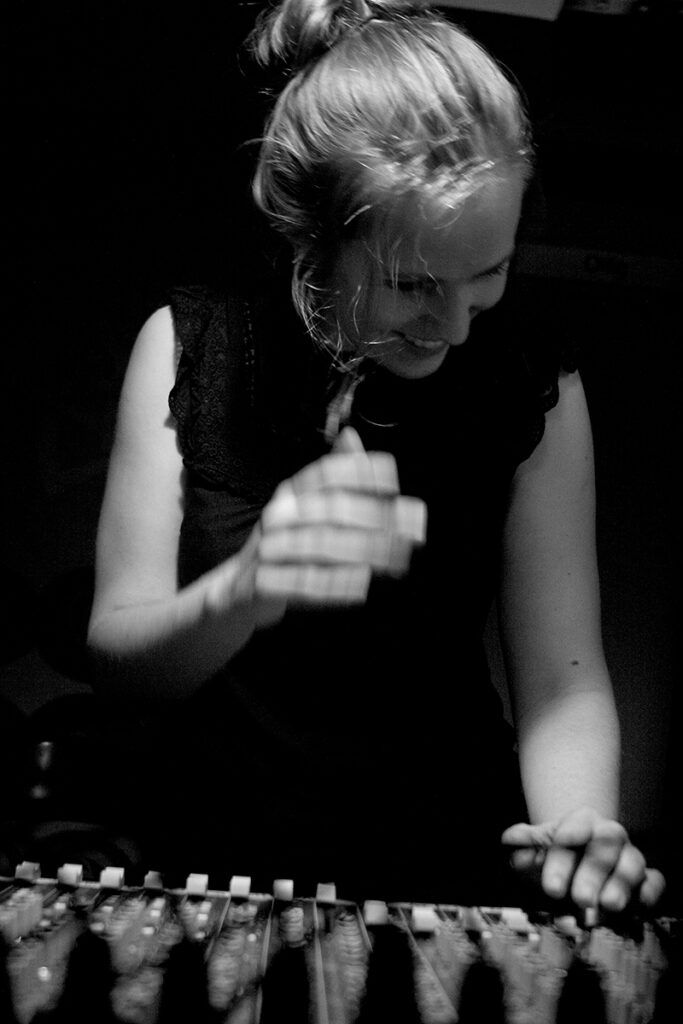
图片来源:Stanislav Nikolov
女性在专业音频领域面临的独特挑战
在讨论女性在男性主导领域(如专业音频)的境况时,至关重要的是要关注她们遇到的具体障碍。这些经历,常常是微妙或未被承认的,对于理解导致性别失衡的系统性问题以及创造一个真正公平的行业至关重要。
Úna揭示,女性在该行业面临的许多挑战本质上是无形的,她解释道:“大多数情况下,我永远不会知道!你听不到那些你从未被考虑参加的演出!这是问题的一部分。”她讲述了令人沮丧的情况:尽管事先进行了大量沟通,她作为工程师的角色却根本不被承认。想象一下,数周以来一直与场馆就技术规格进行邮件沟通,抵达后还就设备设置进行过交谈,然后,当她问“我们可以开始了吗?”时,却被场馆内部人员告知:“不,等工程师到了再说。”这发生在Úna身上,尽管她的名字已在邮件中出现了数周。
除了直接被无视,Úna还遇到过惊讶的反应,听到诸如“你其实还不错”之类的评论,或者她经过深思熟虑的技术设计被认为源于“缺乏知识”,而后来别人才意识到她选择背后的合理原因。她常常发现自己“在设备知识上被测试”,忍受来自其他急于展示自身专业知识的工程师“带有大量术语的未经请求的建议”。Úna观察到,她旨在更深入了解特定工作的深刻问题,可能会被误解为“缺乏信心”,如果她不是表现得完全自信,可能会让潜在客户“紧张并重新考虑是否雇用她”。然而对Úna而言,这些对话是“准备工作的重要组成部分!”
行使权威
令人不安的是,Úna经历过更恶劣的事件。她生动地回忆起一次经历,当时作为主扩声工程师,她指示一名年长的男性舞台工作人员在声音检查期间不要触碰舞台箱,因为那人之前造成了巨大的砰击声。当晚晚些时候,她的连帽衫不见了,并且“被发现……被毁坏在男厕所里。”
她指出,虽然“完成工作没问题,甚至有个女工程师还算新鲜”,但任何“对自尊心的威胁、行使权威或指出问题,有时不会被一些工作人员或音乐家很好地容忍。”Úna也感觉到“来自音乐家或工程师的(女性)伴侣的一些审视,当我是巡演或音乐节团队中唯一的女性时。”她认为“这再次表明了更广泛的文化氛围。”她坦率地指出:“整个世界都存在性别歧视,音响工程也不例外。”这种性别歧视可能以微妙但有影响力的方式表现出来,造成“额外的压力,比如没有犯错的余地,需要在被接受之前,每次上班都要证明自己。”
这种持续的压力可能导致“适应性行为,比如确保你给人的第一印象是某种特定的性格。并且对随意的性别歧视和玩笑视而不见。”实际的困难进一步加剧了这些问题,例如“在我儿子刚出生时,错过了我常合作的艺人的巡演和音乐会。”或者“作为自由职业者,在应对怀孕和组建家庭的未知因素的同时规划工作”的巨大挑战。Úna也证实了“安全和骚扰事件,特别是演出之后。”
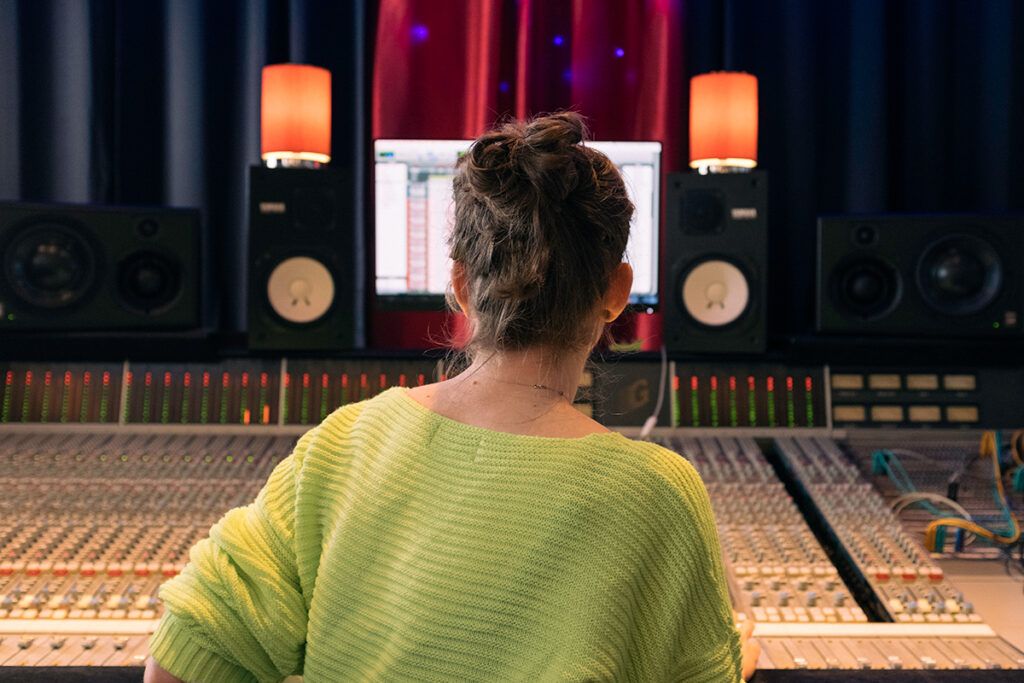
图片来源:Damian McCann
克服挑战
Úna的韧性在她应对障碍的方法中闪耀。她断言,如果“恐惧是我不做某事的唯一原因,我会尝试无论如何去做。”她将充满挑战的时刻视为一个关键节点,提醒自己“正是在这些时刻,我可以选择退出游戏,或者留在游戏中。”迄今为止,她自豪地宣称,她“留在了游戏中!”尽管她承认有过“令人胆战心惊的声音检查,我不得不强迫自己迈步走向场馆。”
寻找乐趣
Úna对工作的热情始终不减。她在“出色混音带来的兴奋感以及大家共同享受它”中获得巨大的满足感。她的热爱延伸到“整个音响系统的逻辑以及许多不同部件协同工作。声音操控的物理学,以及当你听到自己所做的调整时所感受到的魔力。”
Fundamentally, she cherishes “the music itself, and being a part of realizing that music.” With growing experience, Úna has found comfort in realizing that “live sound is not usually life or death. There is a team, so there is support.” This team dynamic means “There are other people collaborating who will have the answers if you don’t.” This team can work together to achieve the best outcome. However, she candidly admits, “That was not how I felt at the beginning. And I think that feeling of isolation was in part due to the gender imbalance.”
Career Highlights
Úna finds immense joy in working with artists she regularly collaborates with. She proudly highlighted her work on Jennifer Walshe’s “TIME TIME TIME and PERSONHOOD.” She notes, “Jennifer is a pioneering composer. Her intelligence, heart, and the amount of research that goes into her work are immediately evident in her pieces. She often involves me early in the rehearsal process. That way, reinforcement considerations and the design of the sound system can develop in tandem with the lighting, projection, costumes, and the piece itself.”
Úna continues, “This means that we can use sound, and the potential for surround sound, as creatively as possible in the performances. She also likes to work with multiple performer locations throughout the space, which I love. I relish the question of where we place loudspeakers when the performers are spread throughout the space. And the balancing of technical, feedback, and monitoring considerations.”
She also feels “lucky and proud to work with some of the best Irish traditional musicians in the world. Iconic artists like Dónal Lunny, Andy Irvine, and Paddy Glackin. I have worked with Dónal on several of his bands, and it means a lot to have the trust of musicians I respect.”
Women in Pro Audio: Growth Strategies
For continued career growth, Úna champions learning from others and “Asking for advice.” She sees this as “a small act of rebellion against the perceived need for perfection, and isolated learning.” Úna emphasizes that “there is rarely only one answer in live sound. It’s important to ask for opinions and to be flexible, and to listen!”
She also actively seeks out training workshops on new equipment whenever she can. “I revisit textbooks if I need clarification on something practical. The microphone and loudspeaker manufacturers often have excellent literature, handbooks, and video tutorials,” and of course, she utilizes “online resources.”
Challenging the Status Quo
If Úna could change one thing about the industry, it would be “the precarity, and the need to perform complete confidence until they accept you.” Her advice to other women entering the industry is profoundly personal: “Build your confidence – whatever that means to you.” It is crucial, she explains, “to get to a point where you trust yourself, and your ears.” On a related note, she advises, “Be true to yourself,” and “Keep focused on the things that interest you.” For everyone in the industry, Úna stresses the importance of physical well-being: “Look after your body.” She describes the job as “A workout. The lifestyle can be grueling in terms of managing to eat vaguely healthily and getting any sleep while on tour.” She strongly recommends, “Start core exercise early – you need your body and you need to strengthen your lower back!”
Addressing men specifically, Úna poses a critical question: “If the visiting engineer is a woman, or there are women in your crew, are you truly treating her as an equal? Do you believe she knows what she’s doing? If not, why?” She encourages men to “make clear to her that you trust her ability and acknowledge her knowledge, before you tell her about yours.” While this advice applies to interactions between men as well, Úna tells her students that if musicians or colleagues make assumptions, they should “patiently show, rather than say, what you know, and eventually they will realize.” Ultimately, she hopes “we can all work towards making the scene less macho, and less about jostling for position,” especially since “Our roles and responsibilities often change from gig to gig anyway.”
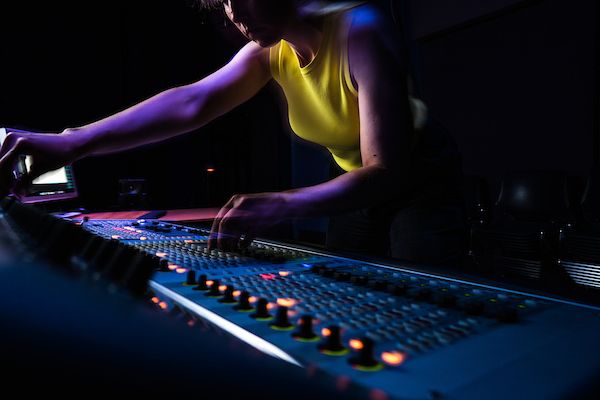
Photo credit: Elaine Hill
Unforgettable Moments
Úna shares several memorable anecdotes from her career. She vividly recalls a gig in a small rural village hall. A Canadian folk band’s vigorous stomping on a sprung wooden stage caused “the speaker stack to bounce steadily towards the edge.” Úna spent the entire gig “physically holding the speaker stack in place. It’s a basic requirement that the PA stay upright and doesn’t murder anyone!”
Another instance involved outdoor gigs proceeding “in the driving rain. Four people were manipulating the corners of the engineering tent to stop gushing rivers of rain from hitting the mixer while I was working.” She admits this was “pretty nerve-wracking, and probably someone should have called it off.”
A humorous experience occurred on tour in India when Úna was told soundcheck was at 7:30 AM for an evening gig. She assumed it was due to a tight festival schedule. Arriving “fairly wrecked for 7:30 AM, after hours of flights and travel,” Úna discovered “the venue was ours all day! They just wanted to do everything in a really laid-back way, with loads of chats, coffee, and food breaks. Hilarious and beautiful.”
She also remembers the surreal experience of mixing live performances during COVID. “When I wasn’t allowed to be in the auditorium with the performers. Everything was sent out to me to mix in a tent in the foyer with a video screen, which feels mad now.” Other common occurrences include “musicians going rogue into the audience in the middle of gigs, and trying to keep them amplified. Or musicians wandering off to pee with a wireless mic on.”
Why She Loves Working in Pro Audio
What Úna loves most about her profession is “Premiering new large-scale pieces with complex sound requirements. The applause at the end of the gig. The first time the work goes out to the world, it’s such a release! Using a new desk I haven’t met before. I enjoy engineering at experimental or contemporary music festivals. You never know what or where you will be asked to mic – rocking chairs, water tanks, beans, blenders, underground carparks. And, just when the music I’m mixing really moves me. I’m often found dancing or crying at the mixer! It’s brilliant.”
She also draws inspiration from engineers like Julie McLarnon, who runs Analogue Catalogue, a recording studio specializing in analog recording. And Katie Tavini, a UK-based mastering engineer. She admires “how they have built their careers and businesses.”
Future Aspirations
Looking to the future of live events, Úna recognizes that “Touring and live performance is expensive, and it is not available to everyone.” She notes that “it is getting harder and harder for smaller artists to tour.” Úna passionately “hopes that governments will adequately fund the arts. So we can keep making the magic of live performance available to audiences, but also to musicians and crews.”
She emphasizes, “It is such a joy to do this work. I would love to see more support for initiatives that reduce the environmental impact of touring. There are already some great initiatives underway, such as Better Live, and this work is very important. And of course, more initiatives to make music and sound engineering more accessible to underrepresented groups of people.”
Úna Monaghan can be found online at her 网站, on Instagram: @una_pix, Bluesky: @una-music.bsky.social, and Facebook.
阅读上月‘专业音频领域的女性’访谈请点击 此处.